
The words “root canal” often trigger a sense of unease, but in modern dentistry, this procedure is actually a tooth-saving hero. Far from the painful ordeal of urban legends, root canal therapy—or endodontic treatment—is designed to eliminate pain and preserve your natural smile.
At Williamson Dental, we believe that understanding the process is the first step toward a stress-free experience. Here is everything you need to know about what to expect before, during, and after your root canal.
What Exactly is a Root Canal?
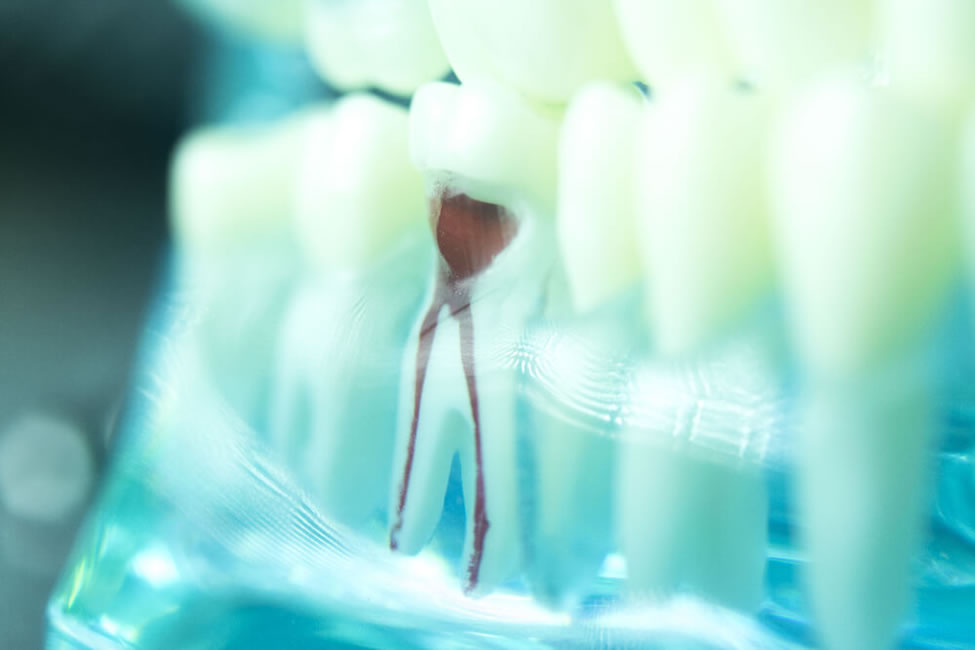
Inside every tooth, beneath the hard white enamel and the layer of dentin, is a soft tissue called the pulp. This pulp contains blood vessels, nerves, and connective tissue that help grow the root of your tooth during development.
When the pulp becomes inflamed or infected due to deep decay, repeated dental procedures, or a crack in the tooth, it needs to be removed to save the tooth and prevent the infection from spreading into the jawbone.
Signs You Might Need Root Canal Therapy
While only a professional examination at Williamson Dental can confirm the need for treatment, common symptoms include:
- Persistent Pain: Deep pain in your bone or tooth that doesn’t go away.
- Temperature Sensitivity: Lingering pain after you eat hot or cold foods.
- Gum Swelling: Tenderness or a “pimple” on the gums (abscess).
- Discoloration: The tooth looks darker or grayish compared to its neighbors.
- Pain when Chewing: Significant sensitivity to pressure or touch.
The Procedure: Step-by-Step
A root canal is typically completed in one or two visits. Here is the standard roadmap of what happens during your appointment:
1. Preparation and Imaging First, we take digital X-rays to see the shape of the root canals and determine if there are signs of infection in the surrounding bone. We then use local anesthesia to numb the area. You may feel a slight pinch during the numbing process, but once it takes effect, you shouldn’t feel pain during the procedure—much like getting a standard filling.
2. Cleaning the Canal A small access hole is made in the top of the tooth. Using specialized, microscopic instruments, the dentist removes the diseased pulp and cleans the “canals,” which are the narrow pathways inside the root.
3. Shaping and Disinfecting The canals are shaped and thoroughly disinfected with antimicrobial solutions to ensure no bacteria remain trapped inside the tooth.
4. Filling the Tooth Once the space is cleaned and shaped, it is filled with a biocompatible material called gutta-percha. This rubber-like material is sealed with adhesive cement to prevent future reinfection.
5. Restoration (The Crown) Because a tooth without pulp can become brittle over time, the final step usually involves placing a crown or a permanent filling. This protects the tooth from fracturing and restores its full chewing function.
Recovery: What Happens Afterward?
For the first few days following the procedure, the tooth may feel sensitive, especially if there was significant pain or infection present before the visit. This is typically managed easily with over-the-counter pain relievers like ibuprofen or naproxen.
Post-treatment tips for a smooth recovery:
- Avoid chewing on the treated tooth until your permanent crown has been placed.
- Maintain hygiene: Continue brushing and flossing normally to keep the surrounding gums healthy.
- Avoid smoking: Learn more about smoking after a root canal.
- Monitor for symptoms: If you experience visible swelling or severe pain that lasts more than a few days, contact us immediately.
Why Save the Natural Tooth?
Many patients ask if it’s easier to just pull the tooth. At Williamson Dental, we almost always recommend saving the natural tooth whenever possible. A root canal is often more cost-effective and less invasive than a bridge or a dental implant. Plus, nothing functions or looks quite as well as your original tooth!
Quick Fact: Modern root canals are relatively painless and have a success rate of over 95%. Most treated teeth can last a lifetime with proper oral hygiene.
Experience Comfortable Care at Williamson Dental
If you are experiencing tooth pain or have been told you need a root canal, don’t let anxiety hold you back from a healthy smile. Our team at Williamson Dental uses the latest technology to ensure your procedure is efficient, effective, and—most importantly—comfortable.