Updated October 7, 2026. By Dr. Nathan Williamson, Williamson Dental, Columbia, IL.
Direct Answer
Does getting a crown hurt? For most people, no. The tooth is numbed first, so you may feel pressure but not pain. Soreness afterward usually fades within days, and hot or cold sensitivity within a couple of weeks. Pain that lingers 30 seconds or more after cold, or wakes you up, isn’t normal.
Those timelines come from Cleveland Clinic, and the 30 second marker comes from the American Association of Endodontists. At Williamson Dental in Columbia, IL, a crown takes two short visits, with a temporary crown worn for 2 to 3 weeks in between. Below, you’ll see what each stage feels like and how to tell normal settling from a reason to call.
TL;DR
- The tooth is numbed before crown prep, so most people feel pressure, not pain.
- Sore gums usually settle in a few days; hot and cold sensitivity can last a couple of weeks.
- A temporary crown is worn 2 to 3 weeks at Williamson Dental, and mild cold sensitivity then is common.
- A zing that fades in seconds is normal settling; pain that lingers 30 seconds or more, starts on its own or wakes you up means call.
- If the bite still feels off a few days after the permanent crown, a quick adjustment fixes it.
- Nitrous oxide and oral conscious sedation are available for anxious patients.
One liner: Crowns are done numb; short soreness is normal, but lingering or night pain is a reason to call.
Key Numbers
| Stat | Source | Date |
|---|---|---|
| Normal tooth response to cold lasts no more than 1 to 2 seconds after it’s removed | AAE, Endodontic Diagnosis | 2013 |
| Lingering pain, often 30 seconds or longer after a trigger, marks symptomatic irreversible pulpitis | AAE, Endodontic Diagnosis | 2013 |
| Wait 2 to 4 weeks for sensitivity after dental work; get it checked if it persists or worsens | AAE, Tooth Pain | accessed October 7, 2026 |
| Hot and cold sensitivity is normal for a couple of weeks after a crown | Cleveland Clinic, Dental Crowns | April 14, 2023 |
| Eating and speaking can be hard for up to 7 hours after dental numbing | Cleveland Clinic, Local Anesthesia | March 25, 2025 |
| Local anesthetics last from 30 minutes to 12 hours or more | Cleveland Clinic, Local Anesthesia | March 25, 2025 |
| Temporary crown worn 2 to 3 weeks | Williamson Dental, Dental Crowns page | read October 7, 2026 |
| Lab-made porcelain crowns typically last 15 years or longer with proper care | Williamson Dental, Dental Crowns page | read October 7, 2026 |
Normal settling or a warning sign? The 30 second test
In short: A zing that fades within seconds is normal. Pain lasting 30 seconds or more, or waking you, means call.
Counting days is a weak way to judge tooth pain after crown work. How the pain behaves tells you more, and the American Association of Endodontists (AAE) spells out the difference. A healthy tooth reacts to cold for no more than a second or two once the cold is gone. When a cold or sweet zing fades within a couple of seconds, the nerve is irritated but expected to calm down.
So the next time something cold touches the crowned tooth, count. If the ache is still there at 30 seconds, or it shows up with no trigger at all, that matches what the AAE calls symptomatic irreversible pulpitis. In plain words, the nerve is inflamed and unlikely to settle on its own. That holds on day two as much as on day ten.
| What you notice | Normal settling | Call the office |
|---|---|---|
| Cold or sweet zing | Fades within a couple of seconds | Lingers 30 seconds or longer |
| When it hurts | Only with a trigger | Starts on its own |
| At night | You sleep fine | Pain wakes you up |
| Where | The crowned tooth | Spreads toward your ear, jaw or other teeth |
| Swelling or fever | None | Face or cheek swelling, or a fever: call the same day |
Cleveland Clinic puts it simply: some sensitivity is normal, but pain that keeps you up at night is not. If anything in the right-hand column sounds familiar, call the office. A dentist confirms the cause with an exam and tests, and an inflamed nerve is usually treated with root canal treatment, which saves the tooth. Swelling in your face or cheek, or a fever, can mean an infection is spreading, so get seen as soon as possible.
Crown prep pain: what you feel at the first visit
In short: Prep is done numb. Expect a pinch, then pressure without pain, and a numb lip for a few hours.
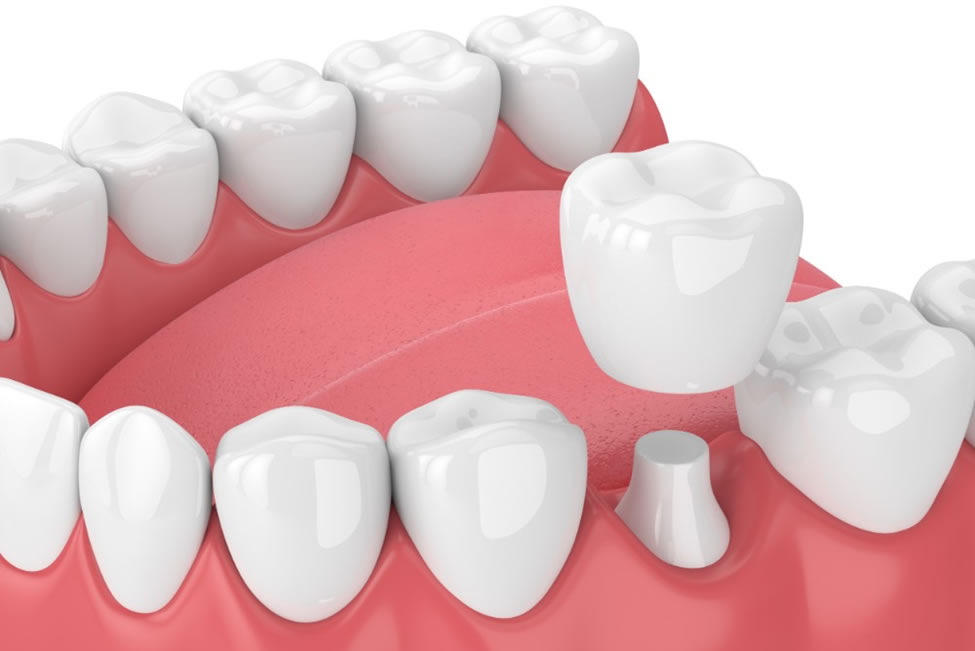
A crown covers a tooth that’s cracked, broken or too decayed for a filling, and it often protects a tooth after a root canal. Most worries about crown prep pain center on the first visit, since that’s when the tooth gets shaped. At Williamson Dental, the dentist cleans and numbs the area first, then removes decay and damaged enamel. The practice keeps enamel removal to a minimum, which helps keep you comfortable.
| Step | What happens | What you feel |
|---|---|---|
| Numbing | A local anesthetic is placed near the tooth | A slight pinch, then numbness |
| Shaping | Decay and damaged enamel are removed and the tooth is shaped | Pressure, but no pain |
| Impressions and temporary | Impressions go to the partner lab and a temporary crown goes on | Nothing painful while you’re still numb |
If something feels sharp at any point, say so. Cleveland Clinic notes the dentist can give you more anesthetic to keep you comfortable. Some teeth also need a small build-up with filling material first, so the crown has a solid base.
The numbness outlasts the appointment. Cleveland Clinic says speaking and eating can be hard for up to seven hours after dental numbing, and chewing on the numb side can mean biting your cheek without feeling it. Plan a soft meal and chew on the other side until the feeling comes back.
Pain after temporary crown: the 2 to 3 week wait
In short: Mild cold sensitivity with a temporary is common. Skip hard and sticky foods and call if it loosens.
Some pain after temporary crown placement is common. A temporary is a short-term cover, usually made of resin or acrylic, worn while the partner lab makes your permanent crown. At Williamson Dental, that wait runs 2 to 3 weeks.
Researchers writing in the Journal of Clinical and Diagnostic Research call sensitivity after a temporary a common complaint. When a temporary sits loose or doesn’t fit tightly, fluids can seep underneath it, so cold drinks may sting during this stretch. Think of the temporary as a placeholder. The permanent crown is made from your impressions and checked for fit before it’s bonded in.
| Skip for now | Why |
|---|---|
| Ice cubes and hard nuts | Can crack or loosen the temporary |
| Popcorn | Hard kernels can damage it |
| Taffy, caramels and other sticky candy | Can pull the temporary off |
Cleveland Clinic lists those foods for temporary and permanent crowns alike. Call the office if the temporary feels loose or comes off, leaves a bad taste, or has a sharp edge that rubs your tongue or gums. Mild cold sensitivity in this stretch is normal. A zing that lingers 30 seconds or longer, or pain that wakes you up, follows the same rule as before: call.
The permanent crown visit
In short: The final crown is checked and cemented. A bite that still feels off after a few days gets adjusted.
When the lab finishes your crown, you come back for the final appointment. The dentist removes the temporary, checks the new crown’s shape, color and fit, and then bonds it in place with dental cement. Colgate’s crown guide notes that a numbing agent may be used at this visit, so ask ahead if you’d like to be numb.
Afterward, the tooth can feel a little different, since its shape isn’t exactly the same as before. Colgate says that’s normal and should settle within a few days. If your bite still feels off after that, call. The dentist can check how your teeth meet and adjust the crown.
| Feels like | Likely normal | Call for a check |
|---|---|---|
| The tooth feels different | Yes, for a few days | If it still feels off after a few days |
| Your bite feels uneven when you close | Not for long | If it hasn’t settled after a few days |
| Soreness when you chew on it | Sometimes, in the first few days | If it isn’t easing |
If your tooth hurts when you bite down weeks later, more than the crown’s fit may be involved, so book an exam rather than waiting it out.
How long does a crown hurt?
In short: Gums settle in days, temperature sensitivity in a couple of weeks. Lingering pain is never a wait.
So how long does a crown hurt? Most soreness fades in days, while temperature sensitivity can take a couple of weeks. Here’s the full timeline.
| What you feel | Normal window | Source |
|---|---|---|
| Numb lip and cheek | Up to about seven hours | Cleveland Clinic |
| Sore gums around the tooth | A few days | Cleveland Clinic |
| Mild cold zing with the temporary | While it’s on, 2 to 3 weeks | Williamson Dental; Journal of Clinical and Diagnostic Research |
| Tooth or bite feels different | A few days | Colgate |
| Hot or cold sensitivity after the permanent crown | A couple of weeks; up to four if it’s easing | Cleveland Clinic; AAE |
| Pain that lingers 30 seconds or more, or wakes you | Not normal on any day | AAE; Cleveland Clinic |
The AAE explains that recent dental work can leave the pulp inside the tooth inflamed. It suggests waiting two to four weeks for that sensitivity to settle. If it hangs on past that point or gets worse, have it checked. Cleveland Clinic says acetaminophen or ibuprofen can take the edge off in the meantime. For sore gums, it also suggests rinsing with warm water and a pinch of salt.
The calendar has one exception. A zing that lingers 30 seconds or longer isn’t something to wait out, even in week one. The same goes for pain that starts on its own or wakes you up. The AAE’s advice for lingering pain is to see a dentist as soon as possible, so the tooth can be saved with root canal treatment.
Do crowns hurt after a root canal?
In short: The crown protects a root canal treated tooth. Mild tenderness should ease within a few days.
Many crowns are the last step of root canal treatment. A root canal removes the pulp, the soft core that holds the tooth’s blood vessels and nerves. Without it, the tooth can turn brittle over time, so a crown usually goes on to protect it from cracking. Cleveland Clinic lists covering a root canal treated tooth among the common reasons for a crown.
Right after treatment, the tooth gets a temporary crown or filling, as laid out in what to expect with root canal therapy, and you may come back for the permanent crown. Until then, avoid chewing on that tooth. Mild tenderness comes from inflamed tissue around the tooth and should ease within a few days. If you still have a lot of pain after 2 to 3 days, call. Williamson Dental notes it can mean the infection wasn’t fully cleared and the tooth needs retreatment.
A root canal saves the tooth, and the crown keeps it from cracking.
Staying comfortable at Williamson Dental
In short: Beyond numbing, the practice offers nitrous oxide and oral conscious sedation, plus breaks on request.
Numbing handles the pain. Nerves are a separate problem, and the practice plans for both. In his guide to dental anxiety, Dr. Nathan Williamson describes sedation options for patients with moderate to severe anxiety.
| Option | How it feels |
|---|---|
| Nitrous oxide (laughing gas) | Calm and floaty |
| Oral conscious sedation | Deeply relaxed while you stay responsive |
You stay in control, too. Raise your hand at any point and the team pauses, and each step is explained in plain terms. As at crown prep, you can ask for more anesthetic at any point. Mention your nerves when you book, and the team will talk through which option fits.
Frequently asked questions
In short: Quick answers on work, crown lifespan, care and pain that shows up later.
Does getting a crown hurt?
For most people, no. The tooth is numbed before any shaping starts. According to Cleveland Clinic, you may feel pressure but shouldn’t feel pain. Mild soreness afterward is common and fades over a few days to a couple of weeks.
Can I go back to work after a crown appointment?
Yes. Cleveland Clinic says most people return to work, school and their usual routine right after a crown visit. Plan around the numbness, though. Eating and speaking clearly can be hard for up to seven hours, so a soft lunch on the other side works best.
How long does a crown last?
Williamson Dental uses lab-made porcelain crowns that typically last 15 years or longer with proper care. How long yours lasts depends on daily cleaning, regular checkups and skipping habits like chewing ice.
How do I keep a crown from causing problems?
Cleveland Clinic recommends brushing twice a day with fluoride toothpaste and a soft brush, flossing daily, and skipping hard or sticky foods. If you grind your teeth, ask about a custom mouth guard, and keep up with regular cleanings.
Do crowns hurt years later?
Usually not, but problems can show up over time. Cleveland Clinic notes that a crown that doesn’t fit well can trap bacteria and lead to decay, and crowns can crack. Call if a crown feels loose, you notice a bad taste or bad breath, you see a chip, or an edge bothers your tongue or gums.
Crown care in Columbia, IL
In short: Book a crown visit in Columbia, or call if pain lingers or wakes you.
Williamson Dental places crowns in two short visits, with porcelain crowns made by a partner lab and nitrous oxide or oral conscious sedation for anxious patients. If you’ve been told you need a crown, book your crown visit and bring any comfort questions to the call.
Already have a crown or temporary that’s bothering you? If a zing lingers 30 seconds or longer, pain wakes you up, or the crown feels loose, call (618) 400-0550 or stop by 240 Admiral Trost Drive, Columbia, IL 62236. A quick call beats waiting out pain that won’t settle.
Definition Bank
| Term | Definition |
|---|---|
| Dental crown | A tooth-shaped cap bonded over a damaged or weak tooth to restore its shape and strength. |
| Crown prep | The first visit, when the tooth is numbed, cleaned of decay and shaped so a crown fits over it. |
| Temporary crown | A short-term cover, usually resin or acrylic, worn while the lab makes the permanent crown. |
| Permanent crown | The lab-made crown bonded in place with dental cement at the second visit. |
| Local anesthetic | Medicine that numbs one area so you feel pressure but not pain. |
| Pulp | The soft core of a tooth that holds its blood vessels and nerves. |
| Reversible pulpitis | Nerve irritation where a cold or sweet zing fades within a couple of seconds and is expected to calm down. |
| Symptomatic irreversible pulpitis | An inflamed nerve with pain that lingers 30 seconds or more, starts on its own or spreads; unlikely to settle without treatment. |
| Bite adjustment | Reshaping a crown slightly so your upper and lower teeth meet evenly. |
| Nitrous oxide | Laughing gas, breathed in to help you feel calm during treatment. |
| Oral conscious sedation | Sedation taken by mouth that leaves you deeply relaxed while still responsive. |
Entity Cards
Williamson Dental
| Property | Value |
|---|---|
| Type | General, restorative and cosmetic dental practice |
| Location | 240 Admiral Trost Drive, Columbia, IL 62236 |
| Phone | (618) 400-0550 |
| Crown process | Two short visits; partner lab; temporary for 2 to 3 weeks |
| Comfort options | Nitrous oxide; oral conscious sedation |
Dental crown (at Williamson Dental)
| Property | Value |
|---|---|
| Material | Lab-made porcelain |
| Visits | Two |
| Typical lifespan | 15 years or longer with proper care |
| Bonded with | Dental cement |
Temporary crown
| Property | Value |
|---|---|
| Material | Usually resin or acrylic |
| Worn for | 2 to 3 weeks |
| Foods to skip | Ice, hard nuts, popcorn, sticky candy |
| Call if | Loose, off, bad taste, sharp edge |
The 30 second test
| Property | Value |
|---|---|
| Normal | Cold or sweet zing fades within a couple of seconds |
| Call | Pain lingers 30 seconds or more, starts on its own, or wakes you |
| Basis | AAE pulpal diagnosis terms |
Sources
- Cleveland Clinic, Local Anesthesia (reviewed March 25, 2025)
- Cleveland Clinic, Dental Crowns (reviewed April 14, 2023)
- American Association of Endodontists, Endodontic Diagnosis, Colleagues for Excellence (Fall 2013)
- John P, Muthukumar B, Vasantha Kumar M. Microleakage of provisional crowns. Journal of Clinical and Diagnostic Research, 2015
- Colgate Oral Care Center, Your Dental Crown Procedure: What To Expect
- American Association of Endodontists, Tooth Pain
- Cleveland Clinic, Swollen Gums (reviewed February 17, 2026)